Spring Planning for Handicap Ramp Construction Projects
Spring is the perfect time to plan and enhance accessibility with local contractors experienced in handicap ramp construction.
Spring is a popular season for handicap ramp construction because it offers favorable weather conditions that make outdoor work easier and more efficient. As the snow melts and temperatures rise, property owners often find it more practical to plan and initiate accessibility improvements. Spring also provides an ideal opportunity to prepare for summer activities, outdoor gatherings, or upcoming seasonal changes that may make navigating steps or uneven surfaces more challenging. Many local contractors see an increase in requests during this time, as homeowners and property managers aim to complete projects when conditions are optimal for construction and installation.
Typically, handicap ramp construction services cover the design and building of accessible pathways that accommodate mobility devices such as wheelchairs, walkers, or scooters. These services often include evaluating the property’s layout, selecting appropriate materials, and ensuring the ramp meets necessary accessibility standards. The scope may also involve site preparation, such as leveling ground or creating stable foundations, as well as finishing touches like handrails or non-slip surfaces. Local contractors focus on creating safe, functional, and durable ramps that seamlessly integrate with existing structures, helping property owners improve accessibility for residents, visitors, or clients.
When considering local options for handicap ramp construction, property owners can compare service providers based on experience, reputation, and the range of services offered. It’s helpful to review portfolios or ask for examples of previous projects to gauge the quality of work. Consulting with multiple local contractors allows property owners to discuss their specific needs, understand different approaches, and choose a provider that aligns with their accessibility goals. By evaluating these factors, property owners can make informed decisions and select a service provider capable of delivering reliable and well-crafted solutions tailored to their property’s requirements.
Spring is a great time to plan handicap ramp projects by comparing local contractors and clarifying your priorities.
- Expert Handicap Ramp Construction - Local contractors can design and build ramps tailored to specific accessibility needs.
- Material Selection Guidance - Service providers can recommend durable materials suitable for outdoor spring conditions.
- Permitting and Compliance Support - Local pros can assist with understanding local building codes and permit requirements.
- Customized Accessibility Solutions - Contractors can create ramps that enhance safety and convenience for users.
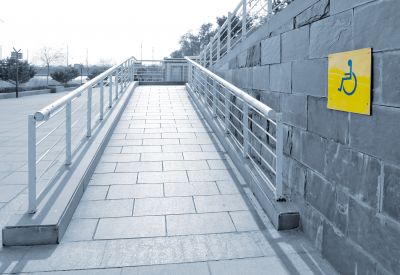
Begin by clearly describing your handicap ramp project to help local contractors compare options and provide suitable solutions.
- Ensure the ramp design complies with accessibility standards and local building codes. - Check that the slope, width, and surface materials are suitable for wheelchair users and meet safety guidelines.
- Verify the construction site is prepared for ramp installation, including clear access and stable ground. - Make sure the area is free of obstructions and properly leveled for a smooth build process.
- Confirm that local contractors have experience constructing handicap ramps for residential or commercial properties. - Look for providers with a proven track record in accessible ramp projects.
- Assess the materials used for durability, weather resistance, and safety to withstand seasonal changes. - Choose options that will maintain integrity and safety throughout the year.
- Consider the overall design to ensure the ramp integrates seamlessly with existing pathways and entrances. - Think about how the ramp will connect with current structures for a cohesive and functional result.
- Contact local service providers to discuss customization options that meet specific mobility needs and site conditions. - Explore available features and configurations to best suit individual accessibility requirements.
Explore ideas for springtime handicap ramp projects to help refine your scope and planning.
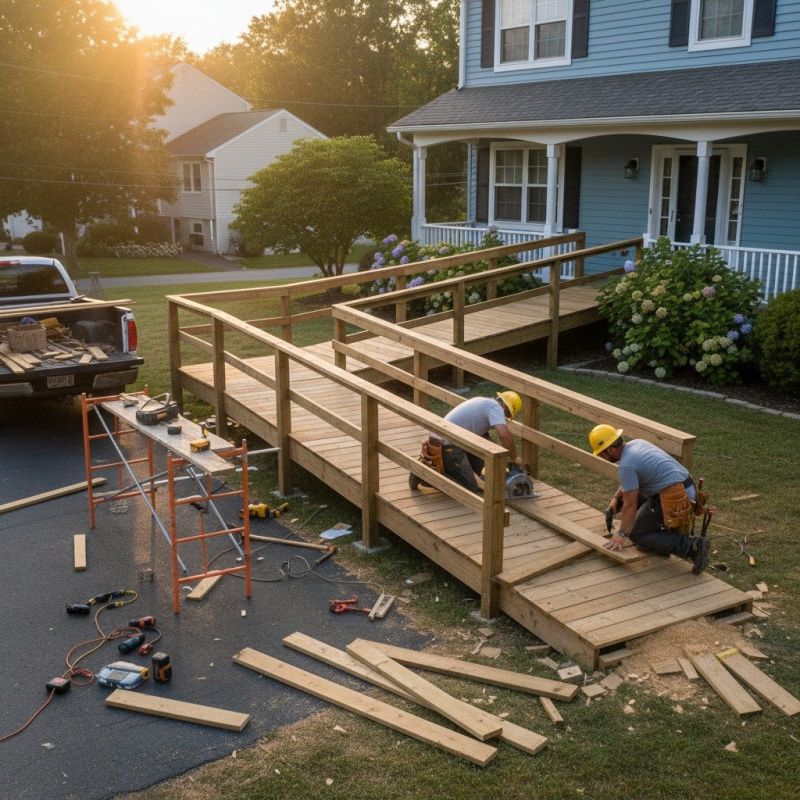

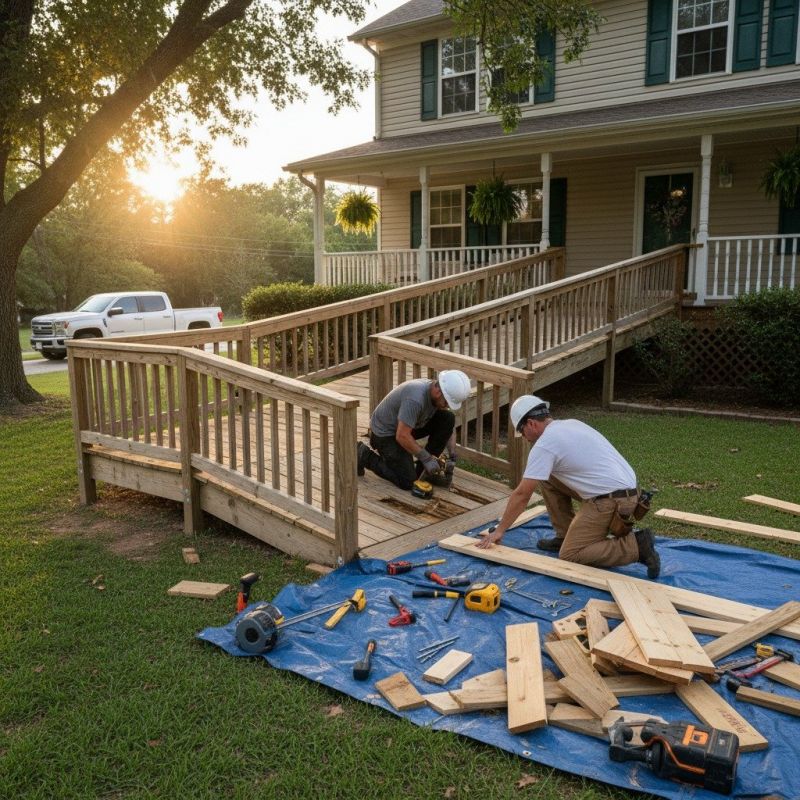
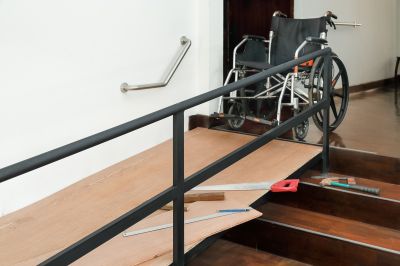
Spring is a great time to plan handicap ramp projects by comparing local contractors and setting your priorities.
- Design Planning - Spring is a great time to assess accessibility needs and plan for a handicap ramp that suits the property’s layout. Local contractors can help evaluate the space and recommend suitable designs.
- Material Selection - As outdoor projects begin to warm up, choosing durable, weather-resistant materials for the ramp ensures longevity and safety. Local service providers can assist with selecting the best options for spring installation.
- Foundation Preparation - Spring’s milder weather allows for proper ground preparation and foundation work, which are essential steps before ramp construction begins. Experienced local pros can handle site clearing and groundwork efficiently.
- Building and Installation - Spring offers optimal conditions for constructing and installing handicap ramps outdoors, with many local contractors ready to handle the building process safely and effectively.
- Finishing Touches - As the season progresses, finishing details like handrails and surface treatments can be added to enhance safety and usability, with local service providers available to complete the project.
Compare local contractors' scope of work to ensure consistent standards across providers for handicap ramp construction.
- Design Requirements - Define the specific measurements, slope, and dimensions needed to ensure the ramp meets accessibility standards.
- Material Selection - Determine suitable materials that provide durability and stability for outdoor or indoor environments.
- Site Assessment - Evaluate the location for space, ground conditions, and any existing structures that may impact construction.
- Building Codes Compliance - Identify applicable local building codes and regulations that the ramp construction must adhere to.
- Installation Process - Outline the steps and methods local contractors will use to construct and secure the handicap ramp effectively.
When comparing service providers for handicap ramp construction during the spring season, it’s important to consider their experience with similar projects. Homeowners should seek out local contractors who have a proven track record of designing and building ramps that meet specific accessibility needs. A contractor’s familiarity with different site conditions, building codes, and materials used in outdoor environments can influence the quality and durability of the finished project. Reviewing portfolios or asking about past projects can provide insight into their level of expertise and comfort handling projects comparable to the homeowner’s needs.
Clear communication about the scope of work is essential when evaluating options. Homeowners should look for service providers who can provide a detailed description of what the project entails-from site assessment and design considerations to the materials and construction methods that will be used. A well-defined scope helps ensure that both parties have aligned expectations and that no critical aspects are overlooked. Clarifying these details early can also aid in planning, especially during spring when outdoor work is often influenced by weather and environmental factors.
Work planning considerations are particularly relevant during the spring season, as fluctuating weather and outdoor conditions can impact construction schedules. Homeowners should inquire how local contractors plan for potential delays caused by rain or temperature changes, and how they prepare the site for spring construction. Understanding each service provider’s approach to project scheduling, site access, and material delivery can help ensure a smooth process. Effective work planning minimizes disruptions and helps keep the project on track, even when spring weather presents challenges.
Evaluating options without focusing on prices involves examining the quality of service and the approach each local contractor takes to the project. Homeowners can compare how thoroughly service providers assess the site, communicate their plans, and address specific accessibility needs. It’s also helpful to consider the level of professionalism, the clarity of their proposals, and their willingness to answer questions about the construction process. By focusing on these aspects, homeowners can select a contractor who demonstrates expertise, reliability, and a clear understanding of the project’s requirements, leading to a successful and well-executed handicap ramp installation.
Request written clarification of the project scope to ensure springtime handicap ramp construction plans stay consistent.
- Scope of Work Clarification - What specific features and accessibility requirements should local contractors include in handicap ramp construction?
- Material Options - How do different materials used by local service providers impact the durability and maintenance of handicap ramps?
- Design Comparisons - What design features do local contractors incorporate to ensure safety and compliance for handicap ramps?
- Customization Capabilities - How can local pros tailor handicap ramp designs to suit different property layouts and user needs?
- Scope Definition - What aspects of the project should be clarified to ensure the scope aligns with accessibility goals?
What is involved in constructing a handicap ramp? Local contractors typically assess the site, select appropriate materials, and build a ramp that meets accessibility standards to ensure safe and easy access.
How can I determine the right type of ramp for my needs? Service providers can evaluate your space and mobility requirements to recommend the most suitable ramp design and dimensions.
Are there design options to match my home's exterior? Yes, local professionals often offer various styles and finishes to complement the aesthetic of your property while maintaining functionality.
What materials are commonly used for handicap ramps? Common options include wood, aluminum, and concrete, each offering different benefits in durability and maintenance.
Is it possible to customize a handicap ramp for specific access points? Many local contractors can tailor ramp designs to fit unique entryways and space constraints effectively.
What should I consider when planning a handicap ramp project this spring? Spring is a good time to plan for weather conditions, outdoor space, and upcoming seasonal needs with the help of experienced local service providers.
Spring is a great time to plan accessibility upgrades like handicap ramp construction, helping to improve safety and mobility around the home or business. Visitors have learned about the key considerations involved in designing and building ramps that meet specific needs, as well as the importance of working with experienced local contractors who understand regional building standards and accessibility requirements.
To explore options and find the right service provider for handicap ramp construction, visitors are encouraged to use the quote form to compare local contractors. Connecting with trusted local service providers can help ensure the project aligns with individual needs and local regulations, making it easier to bring accessibility improvements to life this season.
Providing clear details about your handicap ramp project helps local contractors understand your needs and plan effectively.
- Accessibility Improvements - Share details about the specific areas where a handicap ramp is needed.
- Design Preferences - Describe any preferred ramp styles, materials, or features to accommodate mobility needs.
- Property Details - Provide information about the property layout and any existing structures that may affect construction.
- Project Goals - Explain the intended use of the ramp and any special requirements to ensure proper planning.