Compare Local Contractors for Handicap Ramp Installation Services
Compare local contractors for handicap ramp installation to define the scope, verify experience, and set clear expectations before hiring.
Handicap ramp installation projects typically involve designing and constructing accessible pathways that accommodate mobility devices such as wheelchairs, scooters, or walkers. This work often includes evaluating the existing property layout, selecting appropriate materials, and ensuring the ramp meets safety and usability standards. Contractors may also handle related tasks like modifying landings, installing handrails, and ensuring proper grading to facilitate smooth and secure access. Clearly defining the scope of work helps property owners understand what is included, whether it’s a straightforward ramp addition or a more complex accessible entryway, and ensures that all necessary components are considered from the outset.
Establishing a well-defined scope is essential for setting realistic expectations and avoiding misunderstandings during the project. Property owners should consider discussing specific needs with potential service providers, such as the desired length, slope, and any additional features like platforms or guardrails. Documenting these details in writing provides a reference point for both parties, helping to clarify the work to be performed and preventing scope creep. Being precise about the project’s scope also aids in comparing different contractors, as it allows property owners to evaluate how each one plans to approach the work and whether their proposals align with the property’s requirements.
When comparing local contractors for handicap ramp installation, it is helpful to verify their experience with similar projects and to review their portfolios or references. Property owners can ask about the types of ramps previously installed and whether they have worked with properties similar to their own. Additionally, obtaining detailed written proposals that outline the scope of work, materials, and responsibilities can facilitate side-by-side comparisons. Considering factors such as communication clarity, professionalism, and how thoroughly each contractor addresses project specifics can assist property owners in making informed decisions and selecting service providers best suited to their accessibility needs.
Compare local contractors by outlining your priorities, verifying experience, and clearly defining project scope in writing.
- Compare Local Contractors - evaluate multiple service providers to find the best match for handicap ramp installation needs.
- Define Project Scope - clearly outline the requirements and specifications to ensure all parties understand the work involved.
- Verify Experience - review each contractor’s background to confirm familiarity with handicap ramp installation projects.
- Document Expectations - establish written agreements detailing the scope, materials, and responsibilities before work begins.
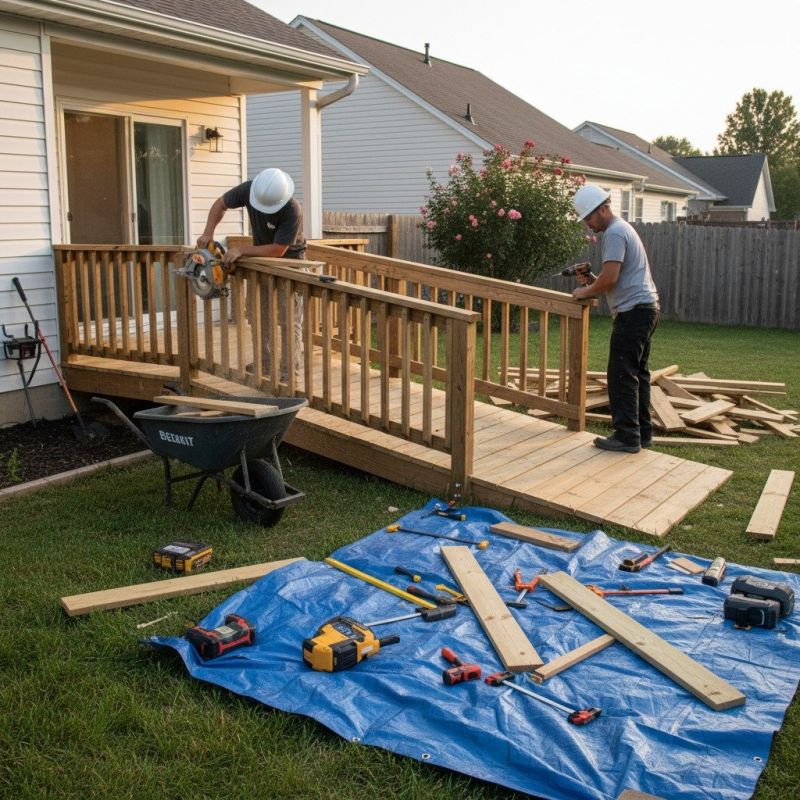
Clearly describe your handicap ramp project to effectively compare contractors, verify experience, and set clear expectations in writing.
- Verify experience and credentials of local contractors specializing in handicap ramp installation. - Ensure contractors clearly define the scope of work and materials to be used in writing.
- Compare multiple service providers to assess their expertise and approach to ramp design and installation. - Look for detailed project descriptions and references to gauge their familiarity with accessibility standards.
- Check that contractors understand and can meet specific accessibility needs and building code requirements. - Confirm that scope, materials, and expectations are documented thoroughly before work begins.
- Assess the availability of detailed project proposals that outline the steps and materials involved in the installation. - Ensure all aspects of the project are clearly outlined to prevent misunderstandings later.
- Confirm that the contractor has a process for handling any modifications or adjustments during the project. - Establish a clear communication plan and written procedures for addressing changes or issues.
Compare local contractors' experience and clarify scope to ensure a smooth handicap ramp installation process.
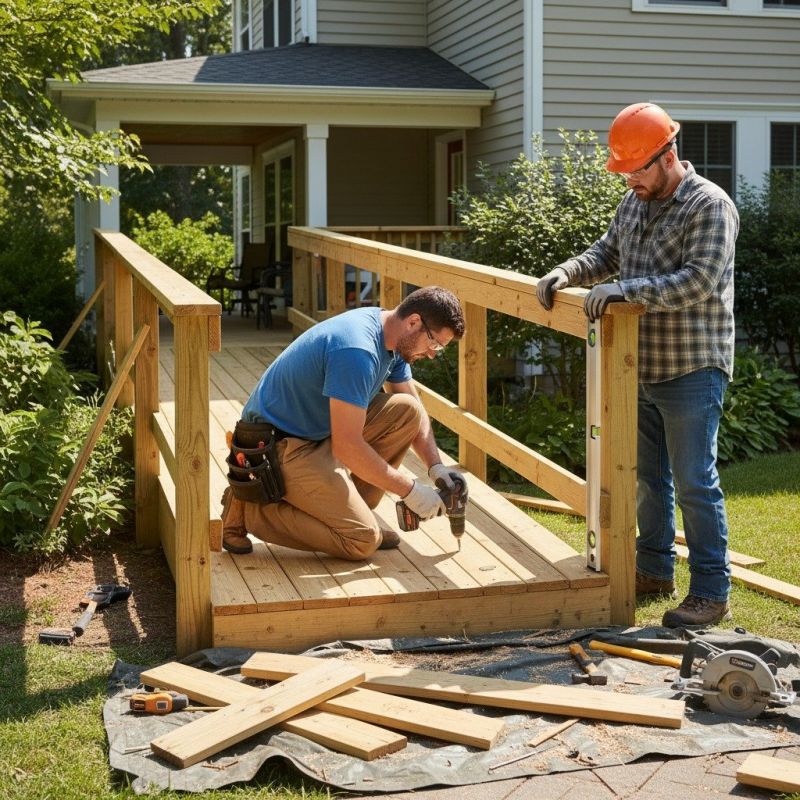
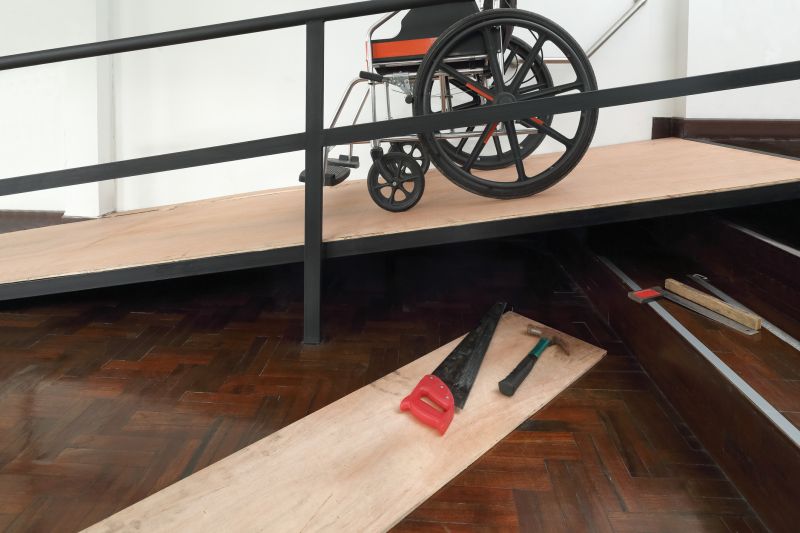

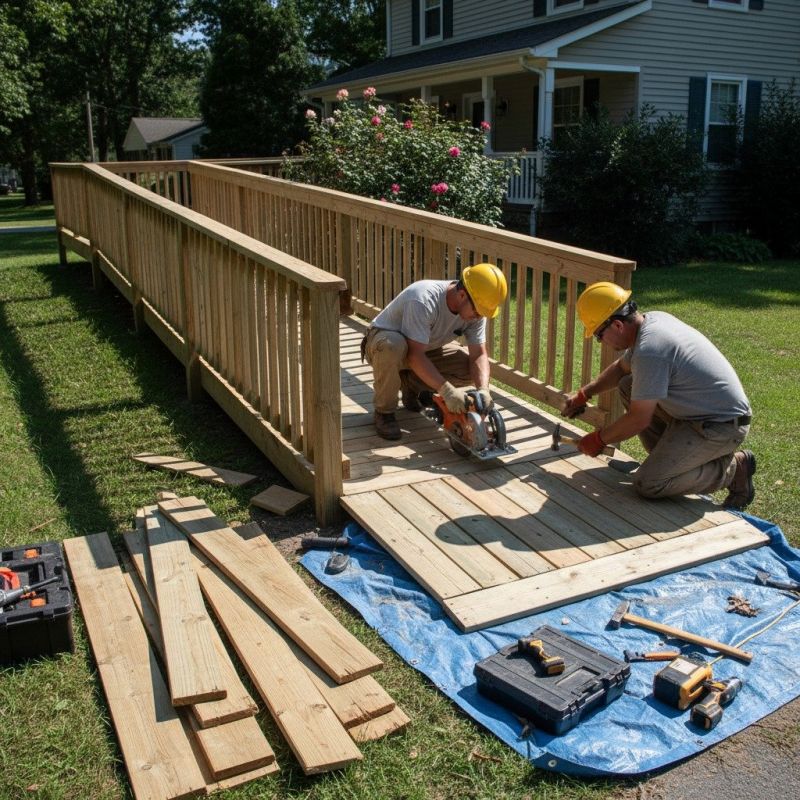
Use consistent comparison criteria to evaluate scope, experience, and written expectations across local service providers.
- Define project scope - clearly outline the specific requirements and features of the handicap ramp installation.
- Verify experience and expertise - ensure local contractors have relevant experience with similar ramp projects.
- Assess material and design options - review available materials and design choices to meet accessibility needs.
- Establish written expectations - document the scope, materials, and responsibilities in a formal agreement.
- Compare local service providers - evaluate multiple contractors based on scope, experience, and proposed solutions.
When comparing contractors for handicap ramp installation, it is important to consider their experience with similar projects. Homeowners should inquire about the types of ramps they have installed in the past and whether they have worked with properties similar to their own. A contractor with a proven track record in installing accessible ramps that meet specific needs can provide confidence that they understand the requirements and challenges of such projects. Reviewing their portfolio or asking for references related to previous handicap ramp installations can help gauge their familiarity with different site conditions and design considerations.
A clear and detailed written scope is essential when evaluating potential service providers. Homeowners should seek proposals that specify the materials to be used, the dimensions and design of the ramp, and any additional features or modifications included in the project. A well-defined scope helps prevent misunderstandings and ensures that both parties have aligned expectations. It is advisable to request a comprehensive written outline of the work to be performed, which can serve as a reference throughout the project and facilitate smooth communication.
Verification of a contractor’s experience can be supported by checking their background with local service providers, reviewing their past projects, and verifying their familiarity with local building codes and accessibility standards. Homeowners should ask how the contractor has handled similar projects and whether they have encountered and addressed common site-specific challenges. Ensuring that the contractor has a history of completing handicap ramp installations successfully in the local area can provide reassurance that they are equipped to handle the unique aspects of the property and environment.
When evaluating options, it is important to focus on the contractor’s qualifications, the clarity of their scope, and their experience rather than solely on price. Homeowners should compare the details of each proposal, assess the professionalism of the documentation, and consider the contractor’s familiarity with local requirements. Asking questions about their approach to project planning, materials, and design can help clarify their suitability for the job. Making an informed choice involves weighing the contractor’s expertise and clarity of communication, ensuring that the selected service provider can deliver a reliable and well-understood solution.
Request written scope details from local contractors to ensure clear expectations and consistent project understanding.
- Experience and Qualifications - What experience do local contractors have with handicap ramp installation projects?
- Scope of Services - How do contractors define the scope of work to ensure all accessibility needs are addressed?
- Material and Design Options - What materials and design features do contractors recommend for durability and safety?
- Project Expectations - How do local service providers clarify project details and set clear expectations in writing?
- Comparison Criteria - What factors should be considered when comparing different contractors’ approaches and proposals?
How can I compare contractors for handicap ramp installation? It’s helpful to review their experience, scope of services, and customer references to understand their capabilities and reliability.
What should I consider when defining the scope of a handicap ramp project? Clearly outline the desired ramp dimensions, materials, and any additional features to ensure contractors understand the project requirements.
How do I verify the experience of a contractor handling handicap ramp installations? Ask for examples of similar projects they have completed and inquire about their familiarity with local building codes and accessibility standards.
What is the importance of having a written agreement with a contractor? A detailed written agreement helps set clear expectations, defines the scope of work, and provides a record of the project details.
Can I ask contractors about their previous work or references? Yes, requesting references or examples of past projects can provide insight into their workmanship and professionalism.
What should I include in a project scope to ensure clarity? Specify the ramp measurements, materials, installation requirements, and any additional features or accessibility considerations.
This page has provided an overview of how to find qualified contractors for handicap ramp installation. Visitors have learned the importance of clearly defining the scope of work, verifying the experience of service providers, and putting expectations in writing to ensure a smooth project process. Comparing local contractors through a structured approach can help in making informed decisions aligned with specific needs.
To explore options and connect with experienced service providers, use the quote form to compare local contractors specializing in handicap ramp installation. Gathering detailed information from multiple local professionals can help identify the right fit for the project, ensuring clarity and confidence throughout the process.